
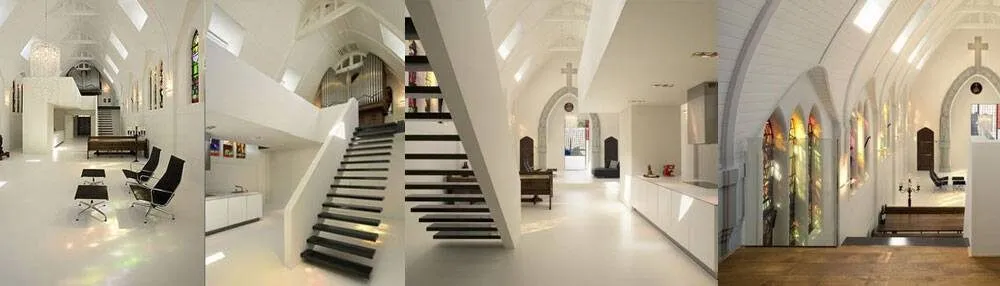
Church Conversions Specialists
Wight Churches: Exploring Historic And Beautiful Island Sites
The Isle of Wight is home to some of England’s most captivating sacred architecture, and Wight Churches stand as enduring symbols of faith, history, and community. From ancient Norman structures to Victorian restorations, these remarkable buildings tell the story of an island shaped by centuries of spiritual devotion.
The historical significance of Wight Churches across the island
Few destinations in southern England offer as rich a concentration of medieval ecclesiastical heritage as the Isle of Wight. Wight Churches span over a thousand years of continuous religious practice, with many foundations dating back to the Saxon and Norman periods. Their stone walls, carved fonts, and stained glass windows serve as open-air museums that document the island’s evolving identity through every era.
Norman origins and early foundations
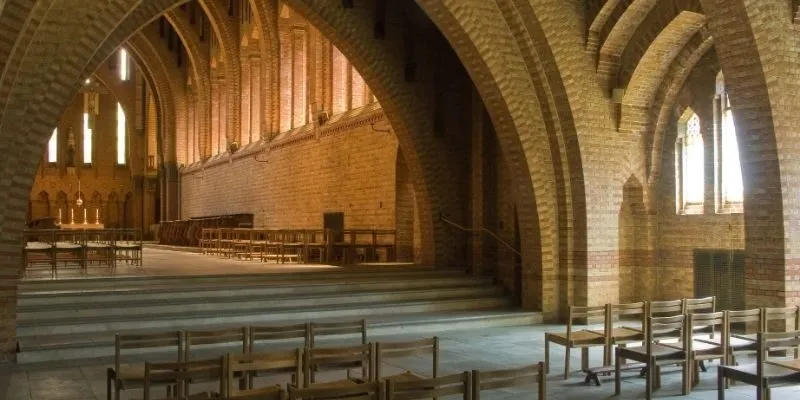
The Norman Conquest of 1066 left a profound architectural imprint across England, and the Isle of Wight was no exception. Many Wight Churches retain original Norman features such as rounded arches, thick rubble-stone walls, and carved tympana above doorways. St Mary’s in Carisbrooke and St Peter’s in Shorwell are among the finest examples, preserving chancel arches and nave structures that have stood for nearly nine centuries.
These early buildings were not merely places of worship but also centers of local governance, record-keeping, and community assembly. The thick-walled construction of Norman was designed for permanence, and that durability has allowed them to survive wars, storms, and the passage of time with remarkable integrity. Visiting these spaces today is like stepping directly into medieval island life.
Medieval expansions and Gothic additions
As the island’s population grew through the thirteenth and fourteenth centuries, many Wight Churches underwent significant expansion. Chancels were lengthened, towers were raised, and side aisles were added to accommodate larger congregations. The Perpendicular Gothic style, popular in the late medieval period, introduced larger windows that flooded interiors with light and allowed for elaborate stained glass narratives depicting biblical scenes.
St Thomas of Canterbury in Newport serves as an excellent example of this layered architectural evolution. Its interior blends Early English lancet windows with later Perpendicular tracery, reflecting centuries of gradual development. For those interested in tracing family lineages connected to the island, parish records held within these historic can be invaluable — and resources like Contact your Local Family History Society to Trace your Ancestors can help guide that research effectively.
Victorian restoration and its lasting legacy
The nineteenth century brought a wave of restoration projects across Britain, and Wight Churches were significantly affected by this movement. Architects such as George Edmund Street and Sir George Gilbert Scott oversaw the repair and sometimes radical remodeling of several island churches. While these interventions preserved structures that might otherwise have collapsed, they also replaced some original medieval features with Victorian interpretations.
Despite this complexity, Victorian restoration gave many Wight Churches their present-day character — particularly in the quality of their tile floors, decorative ironwork, and richly colored stained glass. Understanding this era is essential for anyone seeking a complete picture of the island’s ecclesiastical heritage and the forces that shaped it over time.
A comparative overview of notable by period and style
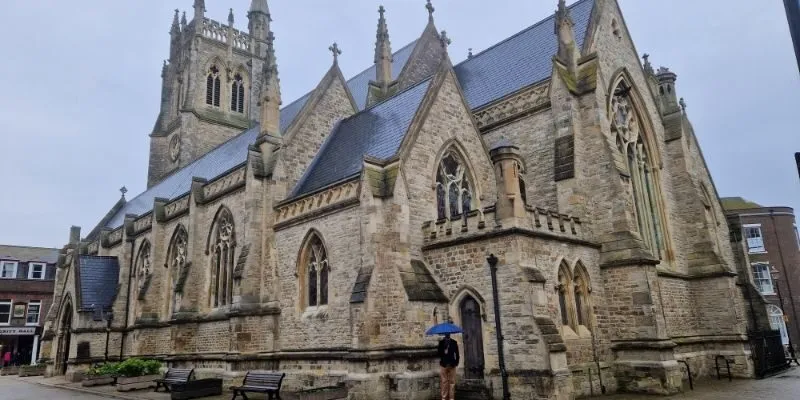
The following table provides a structured comparison of key Wight Churches across the island, organized by their primary architectural period, notable features, and visitor accessibility. This reference is designed to help heritage travelers and researchers plan their explorations more effectively.
| Church name | Location | Primary period | Notable features | Visitor access |
| St Mary the Virgin | Carisbrooke | Norman (12th century) | Norman nave, medieval font, tower | Open regularly |
| St Peter’s Church | Shorwell | Medieval (13th–15th century) | Rare wall paintings, triple nave | Open regularly |
| All Saints’ Church | Freshwater | Victorian restoration | Tennyson memorial window | Open regularly |
| St Thomas of Canterbury | Newport | Medieval to Victorian | Mixed Gothic styles, royal connections | Open regularly |
| St Boniface Old Church | Bonchurch | Norman (12th century) | Smallest church on the island | Open seasonally |
| Holy Cross Church | Binstead | Norman origins, Victorian rebuild | Early stonework, peaceful churchyard | Open regularly |
Planning your visit: what to expect when exploring the island’s sacred sites
A well-planned visit to Wight Churches requires more than simply arriving at a postcode. The island’s ecclesiastical sites are spread across diverse landscapes — from coastal cliffs to inland valleys — and each presents a unique atmosphere that rewards thoughtful exploration. Understanding the practical aspects of a visit ensures that your experience is both enriching and respectful of these living heritage spaces.
Choosing where to stay near key church sites
Accommodation choices can significantly enhance your church-touring experience on the Isle of Wight. Staying in characterful lodgings near heritage sites allows you to explore at a relaxed pace without long daily drives. If your travels take you further afield for inspiration, you might also find value in reading about Hotels with a Difference in Sydney as a model for seeking out distinctive, experience-led stays wherever you travel.
For those planning extended visits to multiple Wight Churches, renting a self-catering property or cottage in a central village such as Godshill or Newport provides an ideal base. Resources like Finding the Perfect Flat Using Citylets offer useful guidance on locating rental properties that suit heritage travelers with specific location requirements.
Funding your heritage travel through smart financial planning
Extended heritage travel can involve significant costs, particularly when visiting multiple sites across a region. Travelers who own property may find that exploring options such as Reasons to Find a Competent Equity Release Advisor could unlock funds for meaningful experiences, including heritage tourism. Similarly, those considering home improvements before a trip might benefit from reading about Increase Your Property Value with a Home Equity Loan as a complementary financial strategy.
Visiting Wight Churches is largely free of charge, but supporting conservation efforts through donations or membership in local heritage trusts is strongly encouraged. Many of these buildings rely entirely on voluntary contributions to fund essential maintenance, and your financial support directly preserves the architectural legacy that makes these sites so exceptional for future generations.
Seasonal considerations and opening times
Most Wight Churches are accessible year-round, though opening hours vary by season and by individual congregation. Summer months typically offer the widest access, with many churches hosting guided tours, flower festivals, and musical events that bring these ancient spaces to life. Winter visits, while quieter, offer a more contemplative atmosphere that many heritage enthusiasts prefer.
It is always advisable to check directly with individual before visiting, as some smaller rural buildings are only unlocked during specific hours or by arrangement with a local keyholder. The Wight Churches website provides up-to-date information on access, events, and conservation news across the island’s full range of ecclesiastical sites.
Conclusion
From their Norman foundations to their Victorian restorations, Wight Churches represent an irreplaceable thread in the cultural and spiritual fabric of the Isle of Wight. Whether you visit for architectural wonder, genealogical research, or quiet reflection, these sacred buildings reward every kind of curious visitor. Stay connected with the latest heritage news, conservation updates, and visitor guides by following the site regularly for fresh insights.